Buy gwepe.com ?
We are moving the project
gwepe.com .
Are you interested in purchasing the domain
gwepe.com ?
domain@kv-gmbh.de · 0541-91531010
Buy gwepe.com ?
What is the present (present tense), 1st past (preterite), 2nd past (perfect), past perfect (pluperfect), and future (future)?
The present tense describes actions happening now or regularly. The 1st past, or preterite, describes actions that happened at a specific point in the past. The 2nd past, or perfect, describes actions that were completed in the past. The past perfect, or pluperfect, describes actions that were completed before another past action. The future tense describes actions that will happen in the future. **
How do you form the future perfect tense?
The future perfect tense is formed by using the auxiliary verb "will have" followed by the past participle of the main verb. For example, "I will have finished my homework by tomorrow." This tense is used to indicate an action that will be completed before a specific point in the future. **

Similar search terms for Future perfect
Top-Angebote
Products related to Future perfect:
-
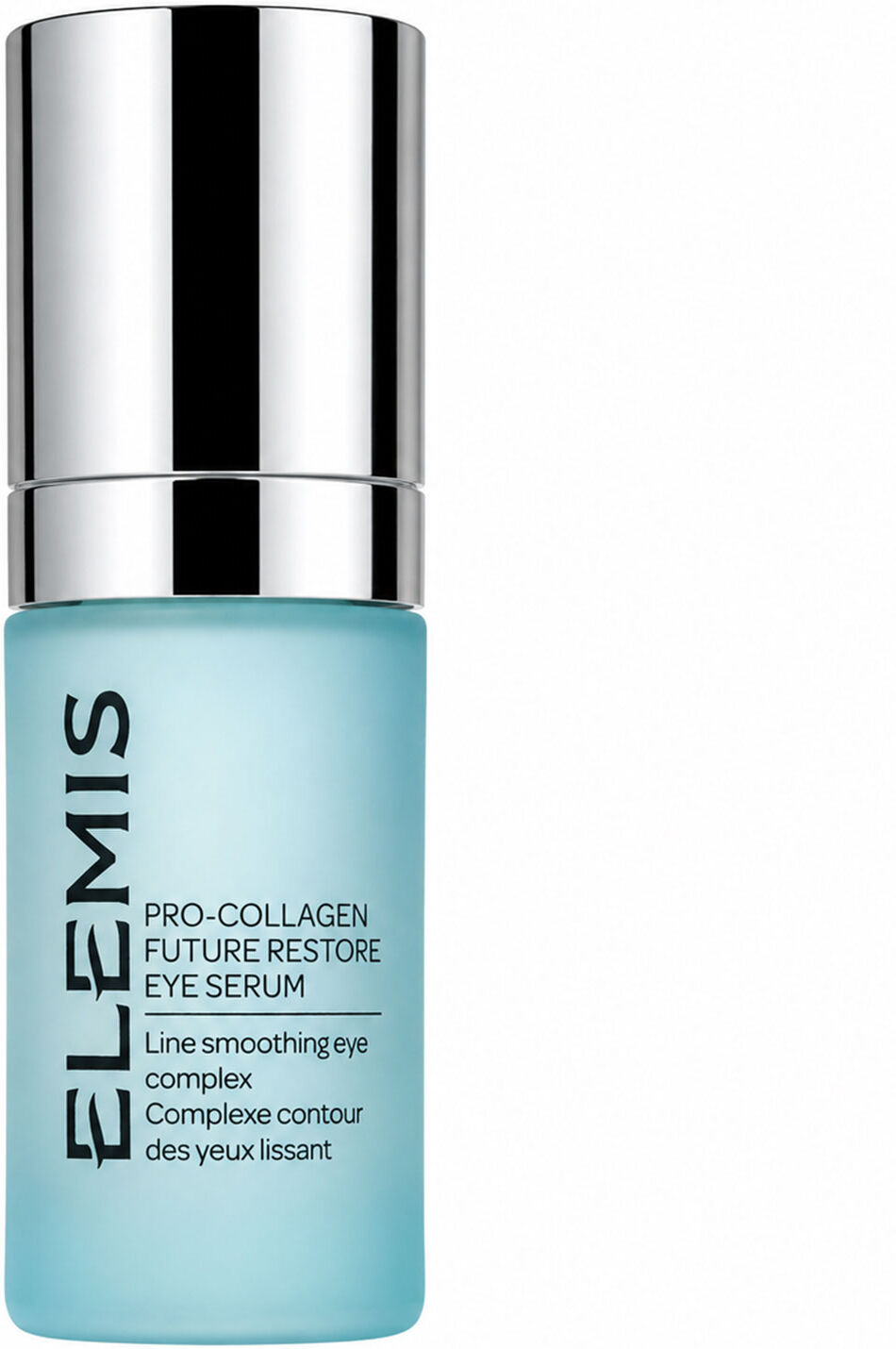
ELEMIS Pro-Collagen Future Restore Eye Serum 15mlELEMIS Pro-Collagen Future Restore -silmäseerumi kosteuttaa ja kiinteyttää herkkää silmänympärysihoa, vähentää tummia silmänalusia, silottaa juonteita ja ryppyjä sekä palauttaa silmänympärysiholle nuorekkaan sileän, pehmeän ja raikkaan hehkun. Innovatiivinen koostumus yhdistää kolme korkean teknologian meriperäistä aktiiviainetta. Kolmea eri mikrolevälajia sisältävä Opal Skin Algae -kompleksi, lumilevä ja kirkastava bioteknologinen fermentti silottavat ryppyjä ja juonteita, kiinteyttävät ja vahv119,95 €*Shipping: 0,00 €Secure redirect to the provider
-
Insportline Ab Perfect vatsalaiteTehokas vatsalihaslaite, jossa on vakaa rakenne. Harjoittele 5–10 minuuttia päivässä vahvistaaksesi vatsalihaksiasi. 5 rullaa selässä tarjoavat miellyttävän harjoituksen ja selkähieronnan. Säädettävissä 3 vastustasoon.94,00 €*Shipping: 7,00 €Secure redirect to the provider



-
What is the present (present tense), 1st past (simple past), 2nd past (present perfect), past perfect (pluperfect), and future (future tense)?
Present: I walk to school every day. 1st Past (Simple Past): Yesterday, I walked to school. 2nd Past (Present Perfect): I have walked to school many times. Past Perfect (Pluperfect): By the time I arrived, I had already walked to school. Future: Tomorrow, I will walk to school again. **
-
What does the perfect future for humanity look like?
The perfect future for humanity would be one where all people have access to basic necessities such as food, water, shelter, and healthcare. It would be a world where there is equality and justice for all, regardless of race, gender, or socioeconomic status. In this future, there would be sustainable practices in place to protect the environment and ensure the well-being of future generations. Additionally, there would be a focus on education and innovation to continue advancing society and improving the quality of life for all. **
-
What is the difference between the simple future and the future perfect in French?
The simple future in French is used to express an action that will happen in the future, while the future perfect is used to express an action that will have been completed by a certain point in the future. The simple future is formed by using the infinitive of the verb with the appropriate ending, while the future perfect is formed by using the future tense of the auxiliary verb "avoir" or "être" followed by the past participle of the main verb. In summary, the simple future expresses a future action, while the future perfect expresses a completed action in the future. **
-
How do you form the Future Perfect tense in Spanish?
To form the Future Perfect tense in Spanish, you use the future tense of the auxiliary verb "haber" followed by the past participle of the main verb. For example, "habré comido" means "I will have eaten." The future tense of "haber" changes depending on the subject: habré (I), habrás (you), habrá (he/she/it), habremos (we), habréis (you all), habrán (they). **


How do you form the future perfect tense in German?
To form the future perfect tense in German, you need to use the auxiliary verb "werden" in the present tense, followed by the past participle of the main verb. For example, "Ich werde gearbeitet haben" means "I will have worked." The auxiliary verb "werden" is conjugated based on the subject of the sentence, while the past participle remains unchanged. **
What is the translation for the Future Perfect in Latin?
The translation for the Future Perfect in Latin is formed by using the future tense of the verb "to be" (ero, eris, erit, erimus, eritis, erunt) followed by the perfect participle of the main verb. For example, "I will have written" would be translated as "scripsero" in Latin. This tense is used to indicate an action that will be completed in the future before another specified action or time. **
Top-Angebote
Products related to Future perfect:
-
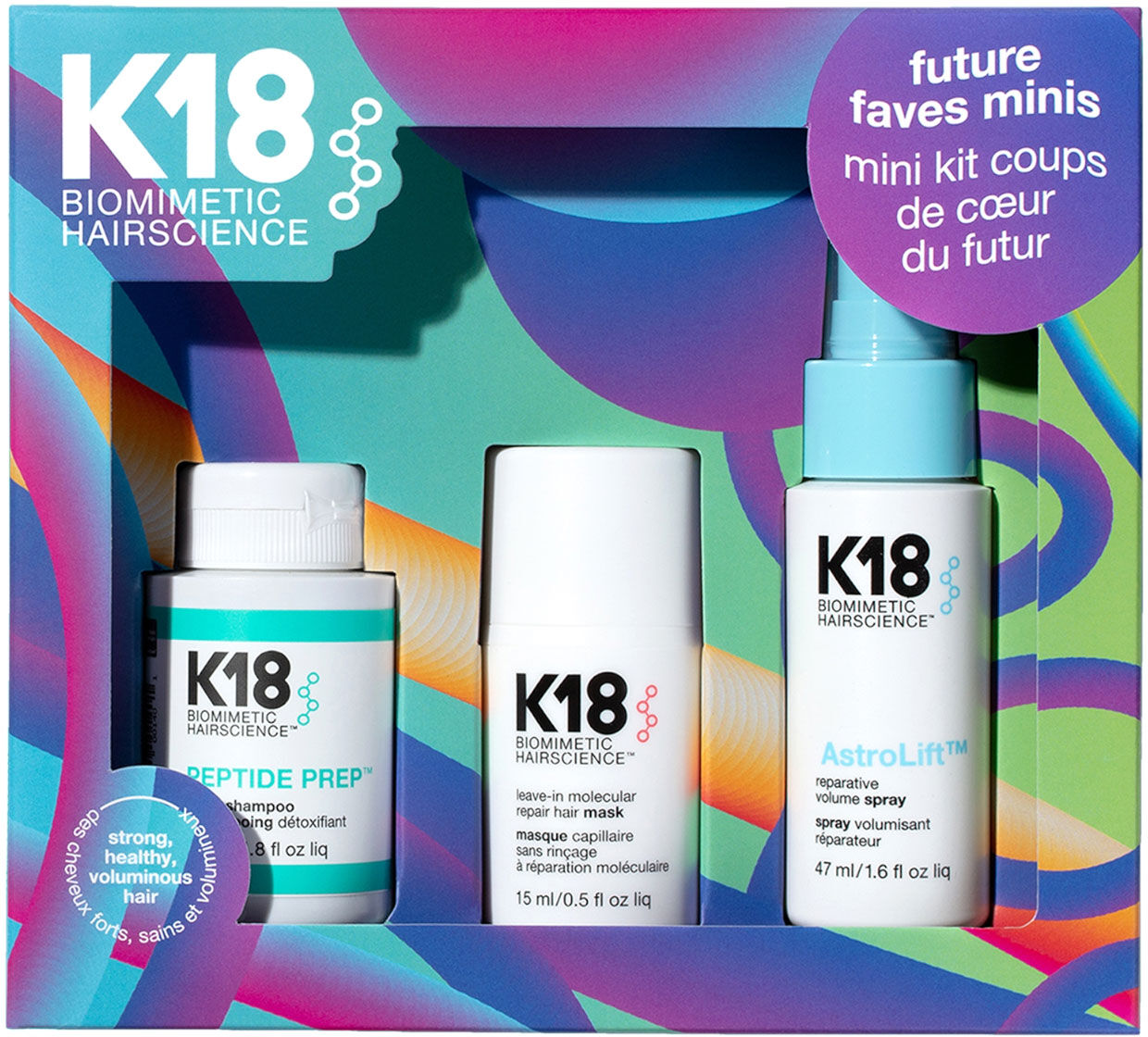
K18 Future Faves Minis Gift SetPakkaus sisältää: Peptide Prep Detox syväpuhdistava shampoo 53 ml + Biomimetic Hairscience Molecular Repair hiuksiin jätettävä naamio 15 ml + AstroLift Reparative tuuheuttava volyymisuihke 47 ml K18 Peptide Prep Detox syväpuhdistava shampoo puhdistaa hiukset ja hiuspohjan perusteellisesti poistaen tehokkaasti kertyneet jäämät vahingoittamatta hiusväriä. Runsas vaahto puhdistaa talihuokosten tukokset poistamalla lian, talin, silikonit sekä muut hiustenhoitotuotteiden jäämät ja valmistelee hiukset74,95 €*Shipping: 0,00 €Secure redirect to the provider
-
SHISEIDO Future Solution LX Concentrated Brightening Softener 170ml40 vuoden geneettisen tutkimuksen innoittamana Shiseido Future Solution LX Concentrated Brightening Softener -voide imeytyy nopeasti kosteuttaen ja vähentäen kuivuutta, tummia läiskiä ja laajentuneita ihohuokosia, parantaen ihon rakennetta ja tasoittaen ihoa, jolloin iho näyttää nuorekkaalta, sileältä, pehmeältä ja täyteläiseltä ja iho näyttää kirkkaalta ja nuorekkaasti säteilevältä. Enmei-uutteella, C-vitamiinilla, vihreällä teellä ja aminohappojohdannaisella Skingenecell 1P:llä rikastettu LonG78,75 €*Shipping: 0,00 €Secure redirect to the provider
-
ELEMIS Pro-Collagen Future Restore Eye Serum 15mlELEMIS Pro-Collagen Future Restore -silmäseerumi kosteuttaa ja kiinteyttää herkkää silmänympärysihoa, vähentää tummia silmänalusia, silottaa juonteita ja ryppyjä sekä palauttaa silmänympärysiholle nuorekkaan sileän, pehmeän ja raikkaan hehkun. Innovatiivinen koostumus yhdistää kolme korkean teknologian meriperäistä aktiiviainetta. Kolmea eri mikrolevälajia sisältävä Opal Skin Algae -kompleksi, lumilevä ja kirkastava bioteknologinen fermentti silottavat ryppyjä ja juonteita, kiinteyttävät ja vahv119,95 €*Shipping: 0,00 €Secure redirect to the provider
-
What is the present (present tense), 1st past (preterite), 2nd past (perfect), past perfect (pluperfect), and future (future)?
The present tense describes actions happening now or regularly. The 1st past, or preterite, describes actions that happened at a specific point in the past. The 2nd past, or perfect, describes actions that were completed in the past. The past perfect, or pluperfect, describes actions that were completed before another past action. The future tense describes actions that will happen in the future. **
-
How do you form the future perfect tense?
The future perfect tense is formed by using the auxiliary verb "will have" followed by the past participle of the main verb. For example, "I will have finished my homework by tomorrow." This tense is used to indicate an action that will be completed before a specific point in the future. **
-
What is the present (present tense), 1st past (simple past), 2nd past (present perfect), past perfect (pluperfect), and future (future tense)?
Present: I walk to school every day. 1st Past (Simple Past): Yesterday, I walked to school. 2nd Past (Present Perfect): I have walked to school many times. Past Perfect (Pluperfect): By the time I arrived, I had already walked to school. Future: Tomorrow, I will walk to school again. **
-
What does the perfect future for humanity look like?
The perfect future for humanity would be one where all people have access to basic necessities such as food, water, shelter, and healthcare. It would be a world where there is equality and justice for all, regardless of race, gender, or socioeconomic status. In this future, there would be sustainable practices in place to protect the environment and ensure the well-being of future generations. Additionally, there would be a focus on education and innovation to continue advancing society and improving the quality of life for all. **
Similar search terms for Future perfect
-
Insportline Ab Perfect vatsalaiteTehokas vatsalihaslaite, jossa on vakaa rakenne. Harjoittele 5–10 minuuttia päivässä vahvistaaksesi vatsalihaksiasi. 5 rullaa selässä tarjoavat miellyttävän harjoituksen ja selkähieronnan. Säädettävissä 3 vastustasoon.94,00 €*Shipping: 7,00 €Secure redirect to the provider
-
What is the difference between the simple future and the future perfect in French?
The simple future in French is used to express an action that will happen in the future, while the future perfect is used to express an action that will have been completed by a certain point in the future. The simple future is formed by using the infinitive of the verb with the appropriate ending, while the future perfect is formed by using the future tense of the auxiliary verb "avoir" or "être" followed by the past participle of the main verb. In summary, the simple future expresses a future action, while the future perfect expresses a completed action in the future. **
-
How do you form the Future Perfect tense in Spanish?
To form the Future Perfect tense in Spanish, you use the future tense of the auxiliary verb "haber" followed by the past participle of the main verb. For example, "habré comido" means "I will have eaten." The future tense of "haber" changes depending on the subject: habré (I), habrás (you), habrá (he/she/it), habremos (we), habréis (you all), habrán (they). **
-
How do you form the future perfect tense in German?
To form the future perfect tense in German, you need to use the auxiliary verb "werden" in the present tense, followed by the past participle of the main verb. For example, "Ich werde gearbeitet haben" means "I will have worked." The auxiliary verb "werden" is conjugated based on the subject of the sentence, while the past participle remains unchanged. **
-
What is the translation for the Future Perfect in Latin?
The translation for the Future Perfect in Latin is formed by using the future tense of the verb "to be" (ero, eris, erit, erimus, eritis, erunt) followed by the perfect participle of the main verb. For example, "I will have written" would be translated as "scripsero" in Latin. This tense is used to indicate an action that will be completed in the future before another specified action or time. **
* All prices are inclusive of VAT and, if applicable, plus shipping costs. The offer information is based on the details provided by the respective shop and is updated through automated processes. Real-time updates do not occur, so deviations can occur in individual cases. ** Note: Parts of this content were created by AI.